Ford Motor Company is facing a significant downturn in its electric vehicle (EV) sales, as indicated by its October performance. The company reported selling 175,584 vehicles in the U.S. for the month, marking only a 2% increase compared to the same period last year. This modest growth comes after a year where Ford’s overall U.S. sales had been up approximately 7% year to date.
The decline in Ford EV sales is particularly concerning given the broader context of the electric vehicle market. As consumers increasingly look for sustainable transportation options, the effectiveness of tax credits in stimulating EV sales has come under scrutiny. The recent changes to tax incentives may have contributed to Ford’s struggles in this segment.
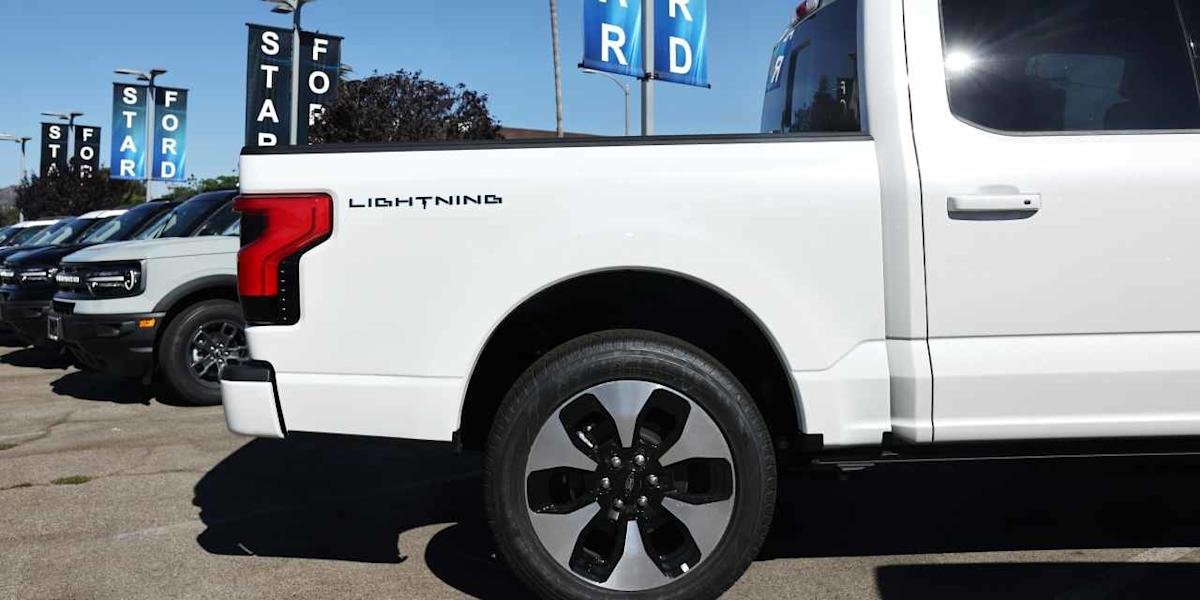
In October, Ford’s electric vehicle offerings, including the Mustang Mach-E and the F-150 Lightning, did not perform as well as expected. This downturn raises questions about the future of Ford EV sales and the role of government incentives in shaping consumer behavior. With the tax credits designed to make EVs more affordable, their impact on sales is critical for both manufacturers and buyers.
As the year draws to a close, the outlook for Ford’s electric vehicle sales remains uncertain. The company must navigate these challenges while also competing with other automakers who are ramping up their EV production. The market dynamics are shifting, and Ford’s ability to adapt will be crucial in maintaining its position in the EV landscape.
For those interested in the implications of tax credits on the automotive industry, it’s worth exploring how these incentives can influence consumer choices and manufacturer strategies.
Leia também: The Future of Electric Vehicles: Trends and Predictions.
Ford EV sales Ford EV sales Ford EV sales Nota: análise relacionada com Ford EV sales.
Leia também: Notícia
Fonte: Yahoo Finance